


Table of Contents
- Why Canine Preventative Care Matters
- Early Detection of Health Issues Through Wellness Exams
- Building a Canine Wellness Exam Checklist
- Cost of Dog Preventative Care vs Emergency Treatment
- Dog Parasite Prevention Schedule and Long-Term Health
- Senior Dog Preventative Care Needs
- Nutrition and Immune Support in Preventative Care
- Frequently Asked Questions
Last Updated: September 21, 2026
Why Canine Preventative Care Matters
The benefits of canine preventative care extend far beyond treating illness after it develops. Preventative care represents a proactive approach to maintaining a dog's health through regular wellness examinations, vaccinations, parasite control, and nutritional support. Dogs that receive consistent preventative care tend to live longer, healthier lives with fewer chronic conditions and emergency veterinary visits. This foundational strategy shifts the focus from reactive treatment to long-term wellness, allowing pet owners to catch potential health issues before they become serious problems.
At SCARAMUS, the team understands that quality preventative care products form the backbone of responsible pet ownership. When owners invest in preventative measures early, they're not just protecting their dogs, they're also reducing the financial burden of emergency treatments and hospitalizations down the line.
Early Detection of Health Issues Through Wellness Exams
A comprehensive wellness examination is the cornerstone of preventative veterinary medicine. During these visits, veterinarians perform a thorough physical assessment, check vital signs, and often recommend blood work or other diagnostic tests to screen for underlying conditions. Regular wellness exams allow veterinarians to identify early signs of disease, such as heart murmurs, joint problems, or metabolic disorders, before symptoms become severe.
Dogs should undergo wellness exams at least once annually, though senior dogs (typically those over age seven) benefit from twice-yearly evaluations. These routine screening appointments establish baseline health data that becomes invaluable for detecting changes over time. A veterinarian familiar with a dog's medical history can spot subtle shifts in weight, behavior, or physical condition that might indicate developing illness. Early disease detection through these regular check-ups often means simpler treatment protocols and better long-term outcomes.
Many pet owners delay veterinary visits because they perceive their dog as healthy. This common mistake overlooks the fact that dogs often hide signs of discomfort or illness until conditions become advanced. Preventive screening catches issues when treatment options are broader and outcomes more favorable.
Building a Canine Wellness Exam Checklist
A structured wellness exam checklist ensures that pet owners and veterinarians address all critical health areas during routine visits. This systematic approach helps track ongoing health concerns and ensures nothing gets overlooked. Equally important is a home-monitoring checklist that empowers owners to spot early warning signs between professional exams.
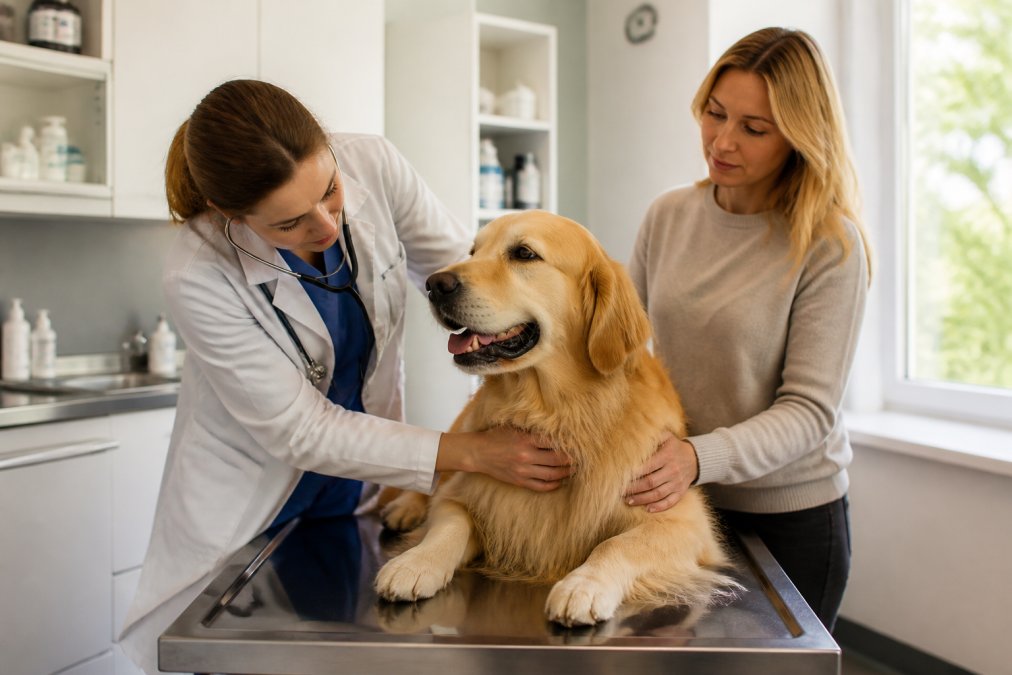
Essential Components of a Canine Wellness Exam (Veterinarian-Performed):
- Weight and body condition scoring
- Vital signs (temperature, heart rate, respiratory rate, blood pressure)
- Thorough physical examination of skin, coat, and ears
- Oral health assessment and tooth evaluation
- Heart and lung auscultation
- Abdominal palpation for organ abnormalities
- Joint flexibility and gait assessment
- Lymph node evaluation
- Eye and vision screening
- Behavioral and neurological assessment
- Age-appropriate blood work and urinalysis
- Discussion of nutrition and weight management goals
- Review of parasite prevention protocols
- Vaccination status and booster needs
Home-Based Preventative Monitoring Checklist (Owner-Performed Weekly):
Owners who learn to observe their dogs systematically catch subtle changes that signal developing illness. These observations, shared with a veterinarian at the next exam, provide invaluable context for early diagnosis.
- Gum and mouth health: Gums should be pink (not pale or bright red), moist, and firm. Check for bad breath, loose teeth, or visible tartar buildup. Pale gums may indicate anemia; red, swollen gums suggest infection.
- Hydration status: Skin turgor (elasticity) should be normal. Gently pull skin on the neck; it should snap back immediately. Slow return suggests dehydration.
- Weight and muscle tone: Run hands along ribs; you should feel them without pressing hard, but not see them prominently. Loss of muscle over the spine or hips suggests metabolic disease or inadequate nutrition.
- Gait and mobility: Watch for limping, stiffness after rest, reluctance to jump or climb stairs, or bunny-hopping (dragging rear legs). These signal joint or neurological issues.
- Appetite and water intake: Sudden increases or decreases in eating or drinking are red flags. Excessive thirst may indicate diabetes or kidney disease; loss of appetite suggests infection or pain.
- Urination and defecation: Changes in frequency, color, or consistency warrant veterinary attention. Straining, accidents in the house, or blood in urine/stool require immediate evaluation.
- Energy and behavior: Lethargy, excessive panting, anxiety, or disorientation are warning signs. Compare to the dog's baseline; subtle changes matter.
- Skin and coat: Look for hair loss, scabs, lumps, or rashes. Part the coat to inspect skin directly. Excessive scratching or licking suggests allergies or parasites.
- Eyes and ears: Eyes should be clear and bright. Discharge, cloudiness, or squinting indicate problems. Ears should smell neutral; odor, discharge, or head shaking suggest infection.
- Breathing: Normal resting respiratory rate is 10-30 breaths per minute. Rapid, shallow, or labored breathing warrants veterinary evaluation.
Owners who bring documented observations to appointments, notes on when changes began, patterns noticed, or behavioral shifts, enable veterinarians to make faster, more accurate diagnoses. This partnership between owner vigilance and professional expertise is the cornerstone of effective preventative care. Many serious conditions are caught early not because of a scheduled exam, but because an attentive owner noticed something was different and reported it promptly.
Cost of Dog Preventative Care vs Emergency Treatment
The financial argument for preventative care becomes compelling only with concrete numbers.
Real-World Cost Comparison:
| Preventative Measure | Annual Cost | Condition If Untreated | Emergency/Treatment Cost |
|---|---|---|---|
| Annual wellness exam + baseline bloodwork | $250-$400 | Early kidney disease detected too late | $4,000-$8,000 (hospitalization) |
| Monthly heartworm prevention | $120-$180/year | Heartworm disease | $1,500-$3,000 (treatment protocol) |
| Annual dental cleaning | $300-$800 | Severe periodontal disease with infection | $2,000-$5,000 (extractions + antibiotics) |
| Monthly flea/tick prevention | $100-$200/year | Flea allergy dermatitis or tick-borne disease | $500-$2,000 (treatment + medications) |
| Twice-yearly senior exams (age 7+) | $300-$600/year | Late-stage cancer or organ failure | $5,000-$15,000+ (surgery, chemotherapy, or palliative care) |
Early detection through preventative screening also expands treatment options. A dog diagnosed with early-stage kidney disease during a routine wellness exam can be managed with dietary adjustments, supplements, and monitoring for years at modest cost. The same dog discovered in acute kidney failure requires emergency hospitalization, aggressive fluid therapy, and intensive monitoring, with less certain outcomes and substantially higher expense.
Dental disease illustrates this principle starkly.
Dog Parasite Prevention Schedule and Long-Term Health
A structured parasite prevention schedule protects dogs from internal and external parasites that compromise health and quality of life. Parasites like heartworms, intestinal worms, fleas, and ticks cause serious illness if left unchecked, making prevention far more effective than treatment.
Immunity Starter Pack For Dogs & Cats* →
Heartworm prevention should begin in puppies and continue year-round throughout the dog's life. Monthly preventative medications, prescribed by a veterinarian, stop heartworm infection before it develops. Treating established heartworm disease requires expensive injections and strict exercise restriction, making prevention the clear choice.
Intestinal parasites are detected through fecal testing during wellness exams. Puppies require more frequent deworming (every two weeks until sixteen weeks old, then monthly until six months), while adult dogs typically need testing annually. Regular preventative protocols eliminate parasites before they cause anemia, malnutrition, or intestinal damage.
Flea and tick prevention protects not just the dog but the entire household. These parasites transmit diseases, cause allergic reactions, and create uncomfortable infestations. Monthly topical or oral preventatives keep dogs parasite-free and eliminate the need for treating established infestations.
A consistent parasite prevention schedule, guided by a veterinarian based on the dog's age, lifestyle, and regional risk factors, represents one of the most impactful preventative health investments. Dogs on proper prevention protocols experience fewer health crises and maintain better overall wellness.
Senior Dog Preventative Care Needs
Senior dogs require intensified preventative care because age increases susceptibility to chronic conditions like arthritis, cognitive decline, kidney disease, and cancer. Dogs typically enter their senior years around age seven, though larger breeds age faster and may be considered senior at five or six years old.
Senior dog preventative care needs differ from adult dog protocols. Twice-yearly wellness exams become important because conditions can develop rapidly in aging dogs. More frequent blood work and urinalysis help detect metabolic changes early. Joint supplements and pain management become relevant even before arthritis causes obvious lameness.
Nutrition shifts for senior dogs. Lower-calorie diets help prevent obesity, which stresses aging joints and organs. Higher-quality protein supports muscle maintenance. Products designed for senior wellness address the specific nutritional demands of aging dogs.
Mental stimulation and gentle exercise remain important for cognitive health. Senior dogs benefit from modified activity levels, shorter walks, softer play surfaces, and activities that don't stress aging joints. Preventative care for seniors includes environmental modifications like orthopedic bedding and accessible water bowls.
The goal of senior preventative care is maintaining quality of life and extending healthy years.
Nutrition and Immune Support in Preventative Care
Nutrition forms the foundation of preventative health. A high-quality diet appropriate to the dog's age, size, and activity level supports immune function, maintains healthy weight, and reduces inflammation. Premium nutrition prevents many conditions that would otherwise require treatment.
Frequently Asked Questions
What preventative care do dogs need at different life stages?
Puppies require vaccination protocols, deworming, and flea prevention. Adult dogs need annual wellness examinations, parasite prevention, and dental prophylaxis. Senior dogs (age 7+) benefit from more frequent check-ups (twice yearly), blood chemistry panels, and screening for age-related conditions. Each life stage has specific nutritional and health maintenance needs that support long-term health and quality of life.
Can preventative care help reduce long-term veterinary costs?
Yes. Preventative care identifies issues early when treatment is less expensive and less invasive. Routine wellness examinations and parasite prevention cost significantly less than emergency treatment for advanced disease.
What is included in a canine wellness exam checklist?
A comprehensive physical exam covers weight assessment, dental evaluation, heart and lung auscultation, abdominal palpation, and skin inspection. Your veterinarian should discuss vaccination status, parasite prevention, nutrition, and behavior. For senior dogs, blood work and urinalysis provide baseline data. Ask your vet about breed-specific screening and preventive measures tailored to your dog's age and health history.
How does early detection through preventative care improve treatment outcomes?
Early disease detection allows treatment to begin before conditions become severe. Routine screening catches issues like kidney disease, dental disease, and cancer at stages when intervention is more effective and recovery rates are higher. Proactive healthcare also prevents secondary complications and extends pet longevity by addressing health maintenance needs before they become emergencies.