


Table of Contents
- What Makes Reliable Outdoor Equipment Worth the Investment
- Best Hiking Gear for Dogs and Outdoor Adventures
- Budget-Friendly Camping Equipment That Performs
- How to Maintain Outdoor Gear for Longevity
- Cost-Per-Use Analysis: Finding Real Value in Outdoor Gear
- When to Buy New vs. Used or Rental Options
- Where to Find Seasonal Discounts and Clearance Deals
- Frequently Asked Questions
Last Updated: October 2, 2026
What Makes Reliable Outdoor Equipment Worth the Investment
Finding quality outdoor gear doesn't mean spending a fortune. The real secret is understanding what separates investment pieces from disposable equipment. Reliable outdoor equipment combines durability, functionality, and longevity in ways that actually save money over time.
At SCARAMUS, we help outdoor enthusiasts and pet owners find gear that lasts. The difference between budget gear that fails after one season and durable equipment that performs for years comes down to materials, construction, and maintenance. When you invest in quality, you're not just buying a product, you're buying years of reliable performance.
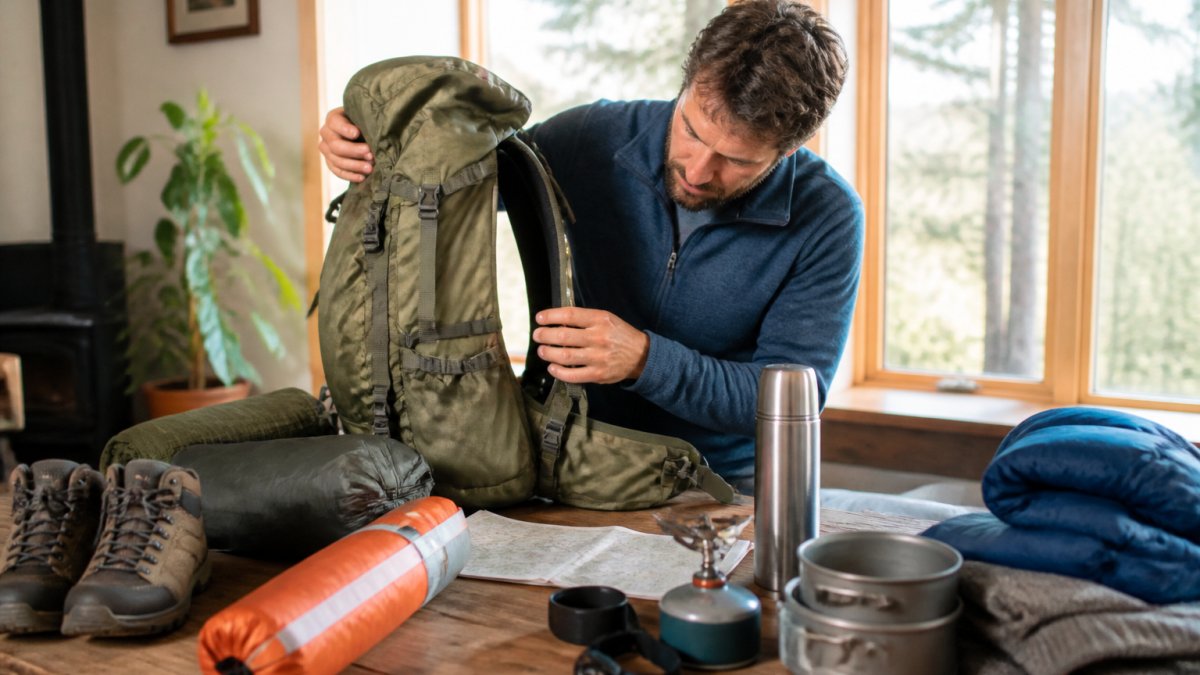
The best value outdoor equipment balances three factors: upfront cost, lifespan, and performance consistency. Premium nylon fabrics resist wear better than thin synthetics. Steel frames outlast plastic alternatives. Stitching quality determines whether seams fail in month two or year five. These aren't luxuries, they're practical differences that compound over time.
Most people underestimate how much they actually use outdoor gear. A tent you use twice a year for five years gets 10 total uses. A backpack on weekly hikes accumulates 50+ uses annually. When you calculate cost-per-use, expensive gear often becomes the bargain. A $200 backpack used 50 times costs $4 per outing. A $60 backpack that fails after 20 uses costs $3 per outing, until it breaks and you buy another one.
Best Hiking Gear for Dogs and Outdoor Adventures
Taking your dog on outdoor adventures requires gear designed for both comfort and safety. The K9 Sport Sack Trainer from SCARAMUS offers an entry-level backpack dog carrier ideal for smaller breeds and shorter hikes. Available in sizes XS through L, it accommodates dogs ranging from 4 to 30 pounds.
This carrier features lumbar support straps for your comfort, ventilated side panels to keep your dog cool, and a wide base that accommodates your pet's tail. The padded shoulder straps distribute weight evenly across your back, while side cinch straps provide additional security. A convenient side water bottle pocket keeps hydration accessible during your adventure. At $51.88, it delivers solid value for dogs learning to hike or for short, non-strenuous activities.
The K9 Sport Sack Trainer works best for dog owners with small to medium builds tackling short walks, neighborhood hikes, and public transportation trips. It's not designed for strenuous all-day hiking or larger dogs, but for weekend adventures and training outings, it handles the job well.
Pair your dog carrier with a quality backpack for your own gear. The 36L OutDoor backpack from SCARAMUS starts at $26.89 and provides ample storage for a day hike with your pup. Made from premium nylon fabric, it weighs just 1.12 pounds while carrying loads up to 15 kilograms. The ergonomic suspension system distributes weight across your shoulders, spine, and back muscles, critical when you're also carrying your dog's weight in a separate carrier.

Budget-Friendly Camping Equipment That Performs
Budget-friendly camping equipment doesn't mean sacrificing reliability. Smart gear selection lets you build a functional outdoor system without overspending. Start with shelter, the foundation of any camping trip.
The 4-5 Person Camping Tent from SCARAMUS costs $83.03 and handles most recreational camping needs. It sets up in 15 minutes, features two symmetrical windows and doors with mosquito netting, and includes a carrying bag for transport. The tent dimensions of 7.05 by 7.05 by 4.46 feet accommodate up to five people comfortably.

For larger groups or family camping, the 5-8 Person Pop Up Tent at $205.73 offers automatic setup, it opens within one second when removed from its bag. This tent features four windows and dual doors with curtains, dual interior pockets for storage, and a hanging hook for nighttime lighting. The larger footprint (9.06 by 6.79 by 3.84 feet) provides room for groups while remaining portable.
Comfort gear matters as much as shelter. The Alpcour Inflatable Camping Pillow at $15.12 provides ergonomic support with memory foam and soft down-like fabric. It inflates in 3-5 breaths and deflates with a button press, fitting easily into its included carry case. This pillow prevents neck strain on hard ground and costs less than a meal out.
The Foldable Camping Chair from SCARAMUS at $69.17 transforms your campsite experience. Built with a sturdy steel frame and premium Oxford fabric, it supports up to 330 pounds. The breathable resin seat and back provide comfortable seating, while a mesh cup holder keeps drinks within reach. It opens and folds within seconds and packs into its carry bag for easy transport.
| Gear Type | Product | Price | Best For |
|---|---|---|---|
| Backpack | 36L OutDoor | $26.89 | Day hikes and light camping |
| Shelter (Small) | 4-5 Person Tent | $83.03 | Families or small groups |
| Shelter (Large) | 5-8 Person Pop Up | $205.73 | Large groups, fast setup |
| Comfort | Camping Pillow | $15.12 | Sleep quality on the ground |
| Seating | Folding Chair | $69.17 | Campsite relaxation |
Building a budget-friendly camping system means prioritizing essentials first. Shelter and sleep comfort matter most. Seating and entertainment come next. This approach lets you start camping affordably and upgrade gradually as your needs become clear.
How to Maintain Outdoor Gear for Longevity
Maintenance separates gear that lasts five years from gear that lasts twenty. Most outdoor equipment fails not from design flaws but from neglect. Simple care routines extend lifespan dramatically.
Clean your gear after every trip. Dirt, sand, and moisture accelerate material breakdown. Rinse tents with fresh water after beach camping to remove salt. Wipe backpack exteriors with a damp cloth. Let everything dry completely before storing, moisture trapped inside promotes mold and mildew.
Inspect gear regularly for damage.
Repair minor damage immediately. Tent seams separate? Use seam sealer designed for outdoor fabrics. Backpack strap fraying? Seal the edge with fabric glue or a lighter (carefully). Chair frame rusting? Sand the spot and apply rust-preventative paint. These quick fixes cost dollars and take minutes but prevent replacements costing hundreds.
Cost-Per-Use Analysis: Finding Real Value in Outdoor Gear
Cost-per-use reveals which gear actually delivers value. This metric divides total cost by expected uses over the item's lifespan. It changes how you evaluate expensive purchases.
When to Buy New vs. Used or Rental Options
New equipment offers warranties, guaranteed condition, and full lifespan remaining. Used gear costs less but carries unknown history. Rentals require no ownership but add up quickly with frequent use.
Where to Find Seasonal Discounts and Clearance Deals
Seasonal timing dramatically affects outdoor gear pricing. Off-season shopping reveals the biggest discounts. Retailers clear inventory when demand drops, making late fall the prime time for winter gear and early spring the opportunity for summer equipment.
Frequently Asked Questions
How can I find reliable outdoor gear without overspending?
Focus on durable materials and proven designs rather than brand names. Check product specifications for weight capacity, material quality, and warranty coverage. Compare cost-per-use: a $200 tent used 50 times costs $4 per use, while a $80 tent used twice costs $40 per use. Look for gear with strong field-tested reviews and consider buying from retailers that stock professional-grade equipment. SCARAMUS offers reliable outdoor equipment at competitive prices, with items like the 36L OutDoor backpack at $26.89 combining durability with affordability.
What are the best strategies for finding discounted outdoor equipment?
Shop during seasonal transitions: spring for winter gear clearance, fall for summer equipment sales. Sign up for retailer newsletters to catch flash sales and end-of-season promotions. Consider buying previous-year models when new versions launch. Check clearance sections online and in-store for discontinued colors or sizes. Off-season purchases often yield 30-50% discounts. Budget-friendly camping equipment like the Foldable Camping Chair ($69.17) and Alpcour Inflatable Camping Pillow ($15.12) deliver value year-round without waiting for sales.
Is it worth buying budget outdoor gear for long-term use?
Budget gear works well if you choose wisely. Prioritize durability in high-stress items: backpack frames, tent zippers, and sleeping systems. Lighter-use items like camping pillows and chairs tolerate budget options better. Read reviews specifically mentioning longevity and real-world durability. Many budget items last 5-10 years with proper maintenance. The key is matching gear quality to usage frequency: invest more in equipment you use weekly, accept budget options for occasional use. Quality construction matters more than brand prestige for long-term reliability.
How do I determine if outdoor gear is high quality before purchasing?
Examine materials: premium nylon fabrics, steel or aluminum frames, and reinforced stitching indicate durability. Check weight-to-performance ratio: lighter gear with high load capacity suggests efficient design. Look for specific features like ergonomic suspension systems in backpacks or weather sealing in tents. Read field-tested reviews from experienced users, not just marketing descriptions. Verify warranty coverage and repair availability. The 36L OutDoor backpack demonstrates quality through premium nylon construction, ergonomic design, and 15kg load capacity at just 1.12 pounds, balancing durability with functionality.
Should I rent or buy outdoor equipment?
Rent if you use equipment fewer than 3-4 times annually; buying becomes more economical beyond that threshold. Renting works for specialized gear you'll try once (technical climbing equipment, winter mountaineering). Buying makes sense for versatile items you use regularly: backpacks, camping chairs, sleeping pillows. Ownership offers convenience and customization, while rentals reduce storage needs and maintenance responsibility. Consider your usage pattern: frequent weekend campers benefit from owning core gear like tents and sleeping systems, while occasional users might rent.