


Table of Contents
- What Makes Dog Gear Durable: Materials and Construction
- Hardware Quality: The Foundation of Long-Lasting Gear
- Choosing Gear Based on Dog Size, Breed, and Behavior
- Best Hiking Gear for Dogs: Activity-Specific Requirements
- Signs Dog Gear Needs Replacement
- How to Maintain Dog Gear for Maximum Longevity
- Budget vs. Longevity: Making the Right Investment
- Frequently Asked Questions
Last Updated: September 25, 2026
What Makes Dog Gear Durable: Materials and Construction
Nylon webbing and polyester are industry standards for durable dog gear because they resist tearing and maintain integrity under stress. Weave density and fiber quality determine real-world longevity.
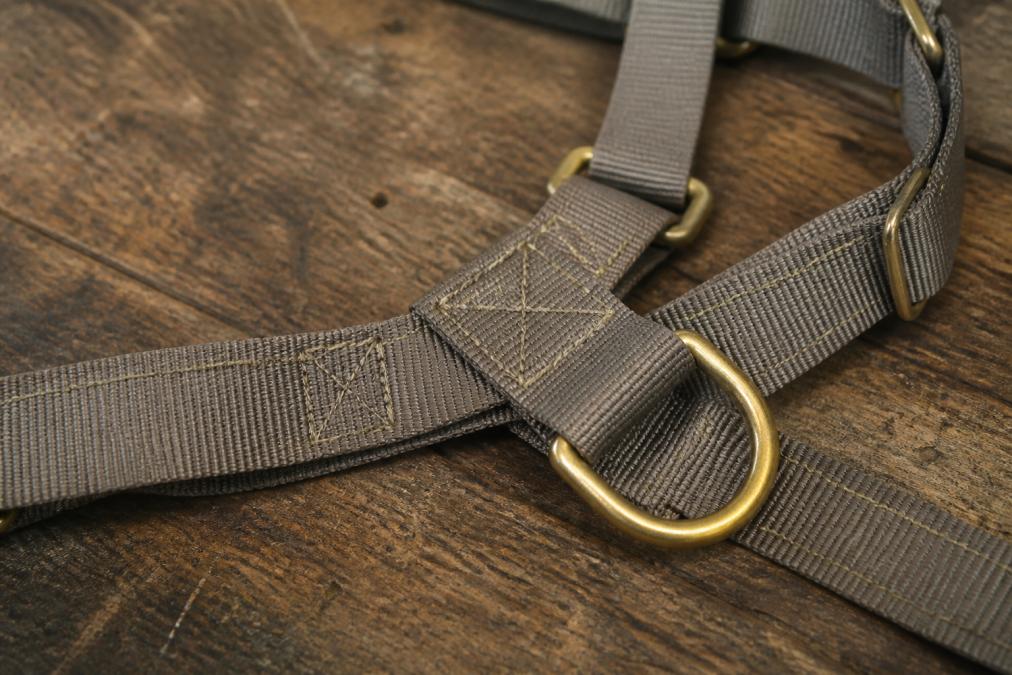
Thicker webbing handles higher tensile loads. Polyester offers better UV resistance for outdoor use. Higher denier means thicker fibers and longer-lasting material, 1000-denier nylon outlasts 500-denier nylon.
Box-stitching and bar-tack patterns distribute stress across multiple thread lines. Inspect durable dog gear for overlapping stitches at stress points, where the leash attaches to the collar and where the harness connects to the chest plate, to absorb pulling force.
Hardware Quality: The Foundation of Long-Lasting Gear
Hardware makes or breaks durability. Solid brass and aluminum hardware resist corrosion far better than zinc-plated or painted alternatives. Brass doesn't rust and maintains its strength even after years of exposure to moisture, salt, and UV light. Aluminum offers similar corrosion resistance with lighter weight, making it ideal for larger dogs where weight matters.
Brass resists saltwater corrosion because zinc oxidizes first, protecting the copper. Stainless steel (304 or 316) offers better corrosion resistance but costs more. Zinc-plated steel fails within months; once the coating chips, rust accelerates and weakens attachment points.
Quality D-rings and buckles should withstand at least 500 PSI. Look for manufacturers who publish specifications; if they don't, the hardware likely hasn't been tested. Welded D-rings withstand higher loads than riveted rings because welding distributes stress evenly.
Test buckles by pulling firmly, if they flex, make noise, or feel loose, the mechanism is wearing. Quality durable dog gear integrates the buckle mechanism through stitching and welding, not gluing or riveting. Glued attachments fail within weeks.
D-rings should have at least 2 millimeters wall thickness and a smooth, polished surface. Rough surfaces, burrs, or casting marks indicate poor manufacturing and faster wear on webbing.
Brass that turns green or black is normal oxidation that protects the metal. Aluminum showing white powder or pitting is corroding and will accelerate. Stainless steel may discolor but should never pit or rust.
For dogs over 60 pounds or hard pullers, use solid brass or stainless steel rated for at least 500 PSI. For smaller or calm dogs, aluminum is sufficient. Verify attachment points are welded and that manufacturers provide tensile strength specs.
Choosing Gear Based on Dog Size, Breed, and Behavior
Match tensile load to pulling behavior. A 50-pound dog that pulls constantly needs different gear than one that walks calmly.
Measure neck circumference at the widest point and add one finger's width for comfort. For harnesses, measure chest girth around the deepest part behind the front legs. Proper fit prevents escape and chafing.
Hard pullers need reinforced attachment points and stronger webbing. Dogs that lunge need harnesses distributing force across the chest. Escape-prone dogs need breakaway or martingale designs.
Large breeds like German Shepherds and Labs need durable dog gear rated for at least 500 pounds of tensile strength. Active small dogs benefit from reinforced stitching. Brachycephalic breeds need harnesses that don't compress the chest.
Best Hiking Gear for Dogs: Activity-Specific Requirements
Hiking gear needs weatherproof and UV-resistant materials. Weatherproof means water-resistant enough to dry quickly and prevent mold. UV resistance prevents brittleness and fiber degradation.
Tractor Nylon Dog Toy for Aggressive →
Reflective piping catches light from flashlights, making your dog visible in low-light conditions. For serious hiking, choose durable dog gear with both reflective piping and bright base colors.
Hiking harnesses spread load across the back and chest, reducing neck and spine strain. Best hiking gear includes attachment points on the back and sides for control on technical terrain.
Quality durable dog gear uses closed-cell foam or neoprene padding at pressure points to prevent chafing during extended wear.
Signs Dog Gear Needs Replacement
Detect wear early to prevent sudden failure. Minor fraying at cut edges is normal, but fraying extending inward indicates material deterioration.
Hardware fatigue shows up as discoloration, pitting, or corrosion spots. Brass that turns green or black is oxidizing, which weakens the metal. Aluminum that shows white powder or pitting is corroding from the inside out. Once hardware corrosion starts, it accelerates. Replace the gear before the hardware fails completely.
Stitching breakdown appears as loose threads, gaps between stitches, or visible wear patterns. If you can see the webbing through gaps in the stitching, the seam is failing. Run your finger along all seams monthly, if you feel loose threads or separation, the gear is nearing the end of its life.
Webbing that feels soft or limp has lost structural integrity.
How to Maintain Dog Gear for Maximum Longevity
Washability determines how often you can clean gear without damaging it. Most durable dog gear can be hand-washed in cool water with mild soap. Machine washing breaks down fibers faster and stresses seams. Cold water prevents color fading and reduces the risk of shrinkage in natural fibers.

| Maintenance Task | Frequency | Impact on Longevity |
|---|---|---|
| Hand wash with mild soap | After muddy hikes | Removes abrasive particles |
| Inspect stitching for gaps | Monthly | Catches seam failure early |
| Check hardware for corrosion | Before each season | Prevents sudden failure |
| Air dry completely | After every wash | Prevents mold and odor |
| Store in cool, dark location | Year-round | Slows UV degradation |
| Wipe hardware with dry cloth | Weekly during use | Removes salt and moisture |
Budget vs. Longevity: Making the Right Investment
Cheap durable dog gear costs less upfront but requires replacement every season. Mid-range gear typically lasts 2-3 years with proper care. Premium gear can last 5-7 years or longer. The cost-per-use calculation often favors premium options when you factor in replacement frequency, but the right choice depends on your dog's behavior and how intensively you use the gear.
Budget gear ($20-$40) is appropriate for:
- Dogs that walk calmly on-leash for under one hour daily
- Dogs under 30 pounds with no pulling behavior
- Owners who don't mind replacing gear annually
- Temporary or trial gear while you assess your dog's needs
Mid-range gear ($50-$100) is appropriate for:
- Dogs that pull moderately or walk 1-2 hours daily
- Dogs 30-70 pounds with normal activity levels
- Owners who hike occasionally (2-4 times per month)
- Dogs with some behavioral challenges (mild anxiety, occasional jumping)
Premium gear ($100-$200+) is appropriate for:
- Dogs that pull hard or have high prey drive
- Dogs over 70 pounds or brachycephalic breeds needing ergonomic support
- Owners who hike frequently (weekly or more) or use gear in harsh conditions
- Dogs with behavioral needs (escape-prone, chew-prone, high-anxiety)
- Multi-dog households where gear is used constantly
Frequently Asked Questions
What materials make dog gear the most durable?
Nylon webbing and polyester are the most durable base materials for durable dog gear, offering abrasion resistance and tensile strength. Solid brass and aluminum hardware outperform plastic components significantly. Box-stitching and bar-tack reinforcement at stress points, where D-rings attach and buckles connect, add structural integrity. Synthetic fibers like biothane resist moisture and UV damage better than natural materials, making them ideal for outdoor use. The combination of high-quality webbing, reinforced stitching, and corrosion-resistant hardware determines how long gear will last under regular use.
How do I know if my dog's harness is durable enough for hiking?
Check the tensile load rating against your dog's weight and pulling behavior, it should exceed your dog's weight by at least 50%. Inspect stitching for box-stitching or bar-tack reinforcement at all stress points. Look for solid brass or aluminum D-rings and buckles, not plastic. Verify the webbing is at least 1.5 inches wide for medium to large dogs. Test the fit: the harness should allow one finger under the straps when fastened. For hiking, prioritize weatherproof materials and reflective piping for visibility on trails. High-quality brands typically provide tensile strength specifications and load ratings in their product details.
What are the signs that dog gear needs to be replaced?
Watch for fraying edges on webbing, visible tears, or worn patches where friction occurs. Hardware fatigue shows as bent D-rings, cracked buckles, or corroded metal components. Stitching that's coming loose or broken, especially at stress points, signals structural failure. If the gear no longer fits properly due to stretching or deformation, replacement is necessary. Fading and loss of reflective piping reduce visibility and safety. Test hardware by gently pulling, if buckles feel loose or D-rings wiggle, durability has compromised. If your dog can slip out or the gear causes chafing, it's time to replace it. Most quality gear lasts 2-3 years with proper maintenance before these signs appear.
How should I maintain my dog's outdoor gear to ensure longevity?
Rinse gear with fresh water after outdoor use to remove dirt, salt, and debris. Hand-wash with mild soap and allow to air-dry completely before storage, moisture promotes mildew and hardware corrosion. Inspect hardware monthly for rust or damage. Store in a cool, dry place away from direct sunlight, which degrades nylon and fades reflective piping. Avoid machine washing or high heat, which damages stitching and webbing. For gear with brass or aluminum hardware, occasional light oiling prevents corrosion. Check stitching and buckles before each use. Proper storage and regular cleaning can extend gear life from 2-3 years to 4-5 years or longer.